Vocabulario
inglés (UK] – Ejercicio de verbos
-
 ES
español
ES
español
-
 AR
árabe
AR
árabe
-
 DE
alemán
DE
alemán
-
 EN
inglés (US]
EN
inglés (US]
-
ES
español
-
 FR
francés
FR
francés
-
 IT
italiano
IT
italiano
-
 JA
japonés
JA
japonés
-
 PT
portugués (PT]
PT
portugués (PT]
-
 PT
portugués (BR]
PT
portugués (BR]
-
 ZH
chino (simplificado]
ZH
chino (simplificado]
-
 AD
adigué
AD
adigué
-
 AF
africaans
AF
africaans
-
 AM
amhárico
AM
amhárico
-
 BE
bielorruso
BE
bielorruso
-
 BG
búlgaro
BG
búlgaro
-
 BN
bengalí
BN
bengalí
-
 BS
bosnio
BS
bosnio
-
 CA
catalán
CA
catalán
-
 CS
checo
CS
checo
-
 DA
danés
DA
danés
-
 EL
griego
EL
griego
-
 EO
esperanto
EO
esperanto
-
 ET
estonio
ET
estonio
-
 FA
persa
FA
persa
-
 FI
finlandés
FI
finlandés
-
 HE
hebreo
HE
hebreo
-
 HI
hindi
HI
hindi
-
 HR
croata
HR
croata
-
 HU
húngaro
HU
húngaro
-
 HY
armenio
HY
armenio
-
 ID
indonesio
ID
indonesio
-
 KA
georgiano
KA
georgiano
-
 KK
kazajo
KK
kazajo
-
 KN
canarés
KN
canarés
-
 KO
coreano
KO
coreano
-
 KU
kurdo (kurmanyi]
KU
kurdo (kurmanyi]
-
 KY
kirguís
KY
kirguís
-
 LT
lituano
LT
lituano
-
 LV
letón
LV
letón
-
 MK
macedonio
MK
macedonio
-
 MR
maratí
MR
maratí
-
 NL
neerlandés
NL
neerlandés
-
 NN
nynorsk
NN
nynorsk
-
 NO
noruego
NO
noruego
-
 PA
panyabí
PA
panyabí
-
 PL
polaco
PL
polaco
-
 RO
rumano
RO
rumano
-
 RU
ruso
RU
ruso
-
 SK
eslovaco
SK
eslovaco
-
 SL
esloveno
SL
esloveno
-
 SQ
albanés
SQ
albanés
-
 SR
serbio
SR
serbio
-
 SV
sueco
SV
sueco
-
 TA
tamil
TA
tamil
-
 TE
telugu
TE
telugu
-
 TH
tailandés
TH
tailandés
-
 TI
tigriña
TI
tigriña
-
 TL
tagalo
TL
tagalo
-
 TR
turco
TR
turco
-
 UK
ucraniano
UK
ucraniano
-
 UR
urdu
UR
urdu
-
 VI
vietnamita
VI
vietnamita
-
-
 EN
inglés (UK]
EN
inglés (UK]
-
AR
árabe
-
DE
alemán
-
EN
inglés (US]
-
EN
inglés (UK]
-
FR
francés
-
IT
italiano
-
JA
japonés
-
PT
portugués (PT]
-
PT
portugués (BR]
-
ZH
chino (simplificado]
-
AD
adigué
-
AF
africaans
-
AM
amhárico
-
BE
bielorruso
-
BG
búlgaro
-
BN
bengalí
-
BS
bosnio
-
CA
catalán
-
CS
checo
-
DA
danés
-
EL
griego
-
EO
esperanto
-
ET
estonio
-
FA
persa
-
FI
finlandés
-
HE
hebreo
-
HI
hindi
-
HR
croata
-
HU
húngaro
-
HY
armenio
-
ID
indonesio
-
KA
georgiano
-
KK
kazajo
-
KN
canarés
-
KO
coreano
-
KU
kurdo (kurmanyi]
-
KY
kirguís
-
LT
lituano
-
LV
letón
-
MK
macedonio
-
MR
maratí
-
NL
neerlandés
-
NN
nynorsk
-
NO
noruego
-
PA
panyabí
-
PL
polaco
-
RO
rumano
-
RU
ruso
-
SK
eslovaco
-
SL
esloveno
-
SQ
albanés
-
SR
serbio
-
SV
sueco
-
TA
tamil
-
TE
telugu
-
TH
tailandés
-
TI
tigriña
-
TL
tagalo
-
TR
turco
-
UK
ucraniano
-
UR
urdu
-
VI
vietnamita
-

mencionar
¿Cuántas veces tengo que mencionar este argumento?

empezar
La escuela está a punto de empezar para los niños.

escuchar
Ella escucha y oye un sonido.

comerciar
La gente comercia con muebles usados.

circular
Los coches circulan en círculo.

escuchar
Él la está escuchando.
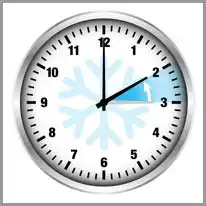
ajustar
Tienes que ajustar el reloj.

detener
La mujer policía detiene el coche.

luchar
Los atletas luchan entre sí.

perderse
Es fácil perderse en el bosque.

prestar atención
Hay que prestar atención a las señales de tráfico.