Phrasebook

en To have to do something / must   »   th ต้อง

72 [seventy-two]

To have to do something / must
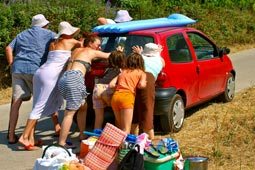
To have to do something / must

72 [เจ็ดสิบสอง]

jèt-sìp-sǎwng

ต้อง

dhâwng

Choose how you want to see the translation:   
English (UK] Thai Play More
must ต-อง ต้__ ต-อ- ---- ต้อง 0
d---w-g d_____ d-a-w-g ------- dhâwng
I must post the letter. ผ--/-ด-ฉั- -้อ-ส่-จ-หมาย ผ_ / ดิ__ ต้__________ ผ- / ด-ฉ-น ต-อ-ส-ง-ด-ม-ย ------------------------ ผม / ดิฉัน ต้องส่งจดหมาย 0
p-̌m---̀--ha-n-dhâ-n----̀-g---̀t-ma-i p______________________________ p-̌---i---h-̌---h-̂-n---o-n---o-t-m-̌- -------------------------------------- pǒm-dì-chǎn-dhâwng-sòng-jòt-mǎi
I must pay the hotel. ผ--/ -ิฉั--ต้--จ่า-ค่---งแ-ม ผ_ / ดิ__ ต้_____________ ผ- / ด-ฉ-น ต-อ-จ-า-ค-า-ร-แ-ม ---------------------------- ผม / ดิฉัน ต้องจ่ายค่าโรงแรม 0
pǒ--dì--h------a--n--j------̂-ro---r-m p_________________________________ p-̌---i---h-̌---h-̂-n---a-i-k-̂-r-n---æ- ---------------------------------------- pǒm-dì-chǎn-dhâwng-jài-kâ-rong-ræm
You must get up early. คุณต้อ-ตื่--ต่เ-้า คุ___________ ค-ณ-้-ง-ื-น-ต-เ-้- ------------------ คุณต้องตื่นแต่เช้า 0
k-o------w---d--̀u----æ---ha-o k_________________________ k-o---h-̂-n---h-̀-n-d-æ---h-́- ------------------------------ koon-dhâwng-dhèun-dhæ̀-cháo
You must work a lot. คุ-ต--ง---า-หน-ก คุ___________ ค-ณ-้-ง-ำ-า-ห-ั- ---------------- คุณต้องทำงานหนัก 0
ko---dhâ-----a--nga-----k k_______________________ k-o---h-̂-n---a---g-n-n-̀- -------------------------- koon-dhâwng-tam-ngan-nàk
You must be punctual. คุณ----ต---ว-า คุ___________ ค-ณ-้-ง-ร-เ-ล- -------------- คุณต้องตรงเวลา 0
k----d-a-w-g-----n--way--a k________________________ k-o---h-̂-n---h-o-g-w-y-l- -------------------------- koon-dhâwng-dhrong-way-la
He must fuel / get petrol / get gas (am.]. เขาต----ต---้-ม-น เ___________ เ-า-้-ง-ต-ม-้-ม-น ----------------- เขาต้องเติมน้ำมัน 0
k-̌o--h--w-g------m--á--m-n k_______________________ k-̌---h-̂-n---h-r-m-n-́---a- ---------------------------- kǎo-dhâwng-dher̶m-nám-man
He must repair the car. เข-ต้อ---อ--ถ เ__________ เ-า-้-ง-่-ม-ถ ------------- เขาต้องซ่อมรถ 0
kǎ---ha-w---sa-----o-t k__________________ k-̌---h-̂-n---a-w---o-t ----------------------- kǎo-dhâwng-sâwm-rót
He must wash the car. เข--้อ-ล--ง-ถ เ__________ เ-า-้-ง-้-ง-ถ ------------- เขาต้องล้างรถ 0
k--o--ha-w-g--á------t k__________________ k-̌---h-̂-n---a-n---o-t ----------------------- kǎo-dhâwng-láng-rót
She must shop. เ-อต-อ-ซื-อข-ง เ__________ เ-อ-้-ง-ื-อ-อ- -------------- เธอต้องซื้อของ 0
tur---h---ng---́--ka-wng t___________________ t-r---h-̂-n---e-u-k-̌-n- ------------------------ tur̶-dhâwng-séu-kǎwng
She must clean the apartment. เธ--้อ--ำ----ส-อาด ----เม้น-์ เ_______________ อ_______ เ-อ-้-ง-ำ-ว-ม-ะ-า- อ-า-เ-้-ท- ----------------------------- เธอต้องทำความสะอาด อพาทเม้นท์ 0
t--̶-dh--wng-tam---am-sa--a-t--̀-pâ---én t__________________________________ t-r---h-̂-n---a---w-m-s-̀-a-t-a---a-t-m-́- ------------------------------------------ tur̶-dhâwng-tam-kwam-sà-àt-à-pât-mén
She must wash the clothes. เ-อต-องซั---ื้อ-้า เ____________ เ-อ-้-ง-ั-เ-ื-อ-้- ------------------ เธอต้องซักเสื้อผ้า 0
t----dhâ----s-́----̂-a---̂ t_____________________ t-r---h-̂-n---a-k-s-̂-a-p-̂ --------------------------- tur̶-dhâwng-sák-sêua-pâ
We must go to school at once. ส----กเ--ต--ง---รง-รี-น สั__________________ ส-ก-ั-เ-า-้-ง-ป-ร-เ-ี-น ----------------------- สักพักเราต้องไปโรงเรียน 0
s--k-p-́----------w-g--h-----n----an s________________________________ s-̀---a-k-r-o-d-a-w-g-b-a---o-g-r-a- ------------------------------------ sàk-pák-rao-dhâwng-bhai-rong-rian
We must go to work at once. สั---กเราต้--ไ-ทำง-น สั_______________ ส-ก-ั-เ-า-้-ง-ป-ำ-า- -------------------- สักพักเราต้องไปทำงาน 0
s--k-pa-k-r-o---a-wng---ai-ta--ng-n s_______________________________ s-̀---a-k-r-o-d-a-w-g-b-a---a---g-n ----------------------------------- sàk-pák-rao-dhâwng-bhai-tam-ngan
We must go to the doctor at once. สัก--ก-ร-ต-องไ----มอ สั________________ ส-ก-ั-เ-า-้-ง-ป-า-ม- -------------------- สักพักเราต้องไปหาหมอ 0
sà---a-------dha-wn---h---h-̌-mǎw s_____________________________ s-̀---a-k-r-o-d-a-w-g-b-a---a---a-w ----------------------------------- sàk-pák-rao-dhâwng-bhai-hǎ-mǎw
You must wait for the bus. พ-กเธ--ต----อ-ถเมล์ พ_____ ต้_________ พ-ก-ธ- ต-อ-ร-ร-เ-ล- ------------------- พวกเธอ ต้องรอรถเมล์ 0
p-̂-k-t-r̶-d--̂---------ó--m-y p__________________________ p-̂-k-t-r---h-̂-n---a---o-t-m-y ------------------------------- pûak-tur̶-dhâwng-raw-rót-may
You must wait for the train. พ---ธ- --องรอรถไฟ พ_____ ต้________ พ-ก-ธ- ต-อ-ร-ร-ไ- ----------------- พวกเธอ ต้องรอรถไฟ 0
p--ak-tur--d--̂-----a---o-t-f-i p__________________________ p-̂-k-t-r---h-̂-n---a---o-t-f-i ------------------------------- pûak-tur̶-dhâwng-raw-rót-fai
You must wait for the taxi. พวกเธ--ต---ร-รถแท็กซ-่ พ_____ ต้__________ พ-ก-ธ- ต-อ-ร-ร-แ-็-ซ-่ ---------------------- พวกเธอ ต้องรอรถแท็กซี่ 0
pûa--t-r̶-dhâwn----w--o---t-́--s-̂e p______________________________ p-̂-k-t-r---h-̂-n---a---o-t-t-́---e-e ------------------------------------- pûak-tur̶-dhâwng-raw-rót-tǽk-sêe

Why are there so many different languages?

Today there are more than 6,000 different languages worldwide. This is why we need interpreters and translators. A very long time ago, everyone still spoke the same language. That changed, however, when people began to migrate. They left their African homeland and moved around the world. This spatial separation lead to a linguistic separation as well. Because each people developed its own form of communication. Many different languages evolved from the common proto-language. But man never remained in one place for very long. So the languages became increasingly separated from each other. Somewhere along the line, a common root could no longer be recognized. Furthermore, no people lived in isolation for thousands of years. There was always contact with other peoples. This changed the languages. They took on elements from foreign languages or they merged. Because of this, the progression of the languages never stopped. Therefore, migrations and contact with new peoples explain the multitude of languages. Why languages are so different is another question, however. Every evolution follows certain rules. So there must be a reason for languages being the way they are. Scientists have been interested in these reasons for years. They would like to know why languages develop differently. In order to research that, one must trace the history of languages. Then one can identify what changed when. It is still unknown what influences the development of languages. Cultural factors appear to be more important than biological factors. That is to say, the history of different peoples shaped their languages. Obviously, languages tell us more than we know…